

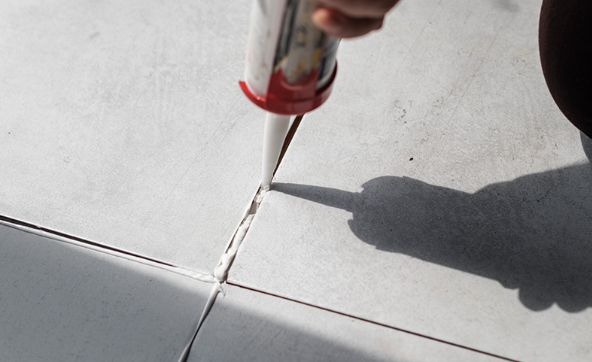
Tackling a home improvement task like grouting may be daunting, especially in a humid environment. Yet with guidance and preparation, first-time DIYers can achieve professional-looking results. Grouting plays a crucial role in sealing gaps between tiles, preventing water ingress, and enhancing the visual finish of a tiled surface. For those new to the process, understanding the different types of grout in Singapore and how they perform in this climate is a key first step before laying a single line.
Understanding Grout and Its Variants
Before diving into the job, it helps to know what you’re working with. Grout is a cement-based or epoxy compound used to fill the joints between tiles and in Singapore, where bathrooms and kitchens experience heavy moisture exposure, selecting the right type is essential. Standard cement grout is suitable for many interior applications, but it is porous and prone to staining or mildew if not properly sealed.
This is where epoxy grout in Singapore comes into focus. Unlike cement-based options, epoxy grout is non-porous, making it resistant to stains, chemicals, and moisture. It’s useful in wet zones like showers and kitchen backsplashes, where hygiene and durability matter. However, epoxy grout is more difficult to apply and clean up, which may present a challenge for first-timers.
For general wall and floor tiling in dry areas, a standard sanded or unsanded grout might be sufficient. Always consider the joint width and tile type when selecting the material. DIYers should also note that working time, consistency, and clean-up requirements vary across types of grout in Singapore, affecting the pace and ease of installation.
Preparing for the Grouting Process
Before beginning, ensure the tiles are set and the adhesive has cured fully—this usually takes at least 24 hours. Clean the tile surfaces and joints thoroughly, as dust or leftover adhesive can prevent the grout from bonding correctly. In Singapore’s climate, it’s important to ventilate the space during and after grouting to help manage drying time and reduce any strong odours from materials such as epoxy grout in Singapore.
Gather your tools: a rubber grout float, mixing bucket, margin trowel, sponge, and clean cloths are essential. Mix the grout according to the manufacturer’s instructions, keeping the consistency smooth but not runny. With epoxy grout, precise mixing is even more critical since incorrect proportions may affect setting times and performance.
When applying, use a float to press the grout diagonally across the joints, ensuring they are filled. Work in small sections, especially if you’re using epoxy, as it sets quicker and is harder to clean off tiles once cured. Wipe off excess grout with a damp sponge before it hardens then carefully pull grout from the joints. Clean water and regular rinsing help prevent haze or residue from forming on the tile surface.
Aftercare and Maintenance
Once the grout has cured, usually after 24 to 72 hours depending on the type, sealing may be required and cement-based grout in Singapore typically needs sealing to protect it from moisture and stains, while epoxy grout doesn’t require this step. Still, keeping all tiled surfaces clean and dry is essential, especially in areas exposed to heavy use or moisture.
For first-time DIYers, post-installation maintenance is often overlooked. Regular cleaning using pH-neutral cleaners can extend the lifespan of grout and maintain its appearance. Harsh chemicals or rough scrubbing tools can erode the grout surface or damage surrounding tiles with Singapore’s humidity, it can accelerate mould growth, so ventilation and moisture control should remain priorities.
If cracks or discolouration appear, regrouting specific sections may be necessary. It is less likely with epoxy grout in Singapore, though it still benefits from routine inspection. Grouting might not seem complex, but overlooking maintenance can undo even the most careful installation efforts. A little attention over time can prevent more issues down the road.
Grouting in humid climates presents a few extra considerations for first-time DIYers, but with patience, proper tools, and the right materials, it’s manageable. Whether using cement-based products or tackling the more durable epoxy grout in Singapore, preparation and aftercare are equally important. Choosing the correct type of grout in Singapore depends on the space, the tile surface, and how much moisture the area is exposed to. Practising helps ensure your tiled spaces stay beautiful and functional.
Unsure where to begin or need expert guidance on grouting in Singapore? Contact Grout Pro-Tech today. We’re here to assist with product selection, installation tips, or the entire process from start to finish.