

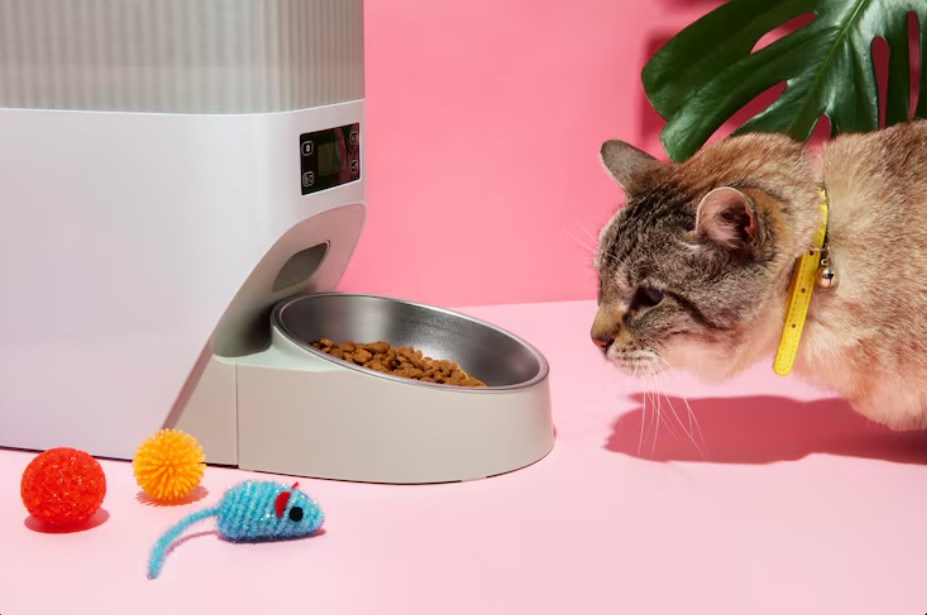
Your indoor cat may spend most of the day sleeping on the couch, watching birds through the window, or waiting for dinner. That does not mean nutrition matters any less. In fact, indoor cats can be prone to weight gain when they eat more calories than they use.
Finding the healthiest dry cat food does not mean buying the most expensive bag on the shelf. A good choice should provide complete and balanced nutrition, fit your cat’s life stage, offer appropriate calories, and work with your budget.
So, what should you look for when shopping? And can you find the best affordable dry cat food without sacrificing quality? Yes. The key is knowing how to read the label instead of judging a food by its marketing claims.
What Makes the Healthiest Dry Cat Food?
The healthiest option is not necessarily the food with the longest ingredient list or the highest price.
Start with the nutritional adequacy statement on the package. In the United States, look for a statement showing that the food is complete and balanced for your cat’s appropriate life stage. Cornell Veterinary Medicine notes that commercially prepared foods with an appropriate nutritional guarantee are designed to provide the nutrients cats need.
A good dry cat food should also provide:
- Adequate animal-based protein
- Appropriate levels of fat
- Essential amino acids
- Vitamins and minerals
- Essential fatty acids
- Calories appropriate for your cat
- Nutrition suited to the cat’s life stage
Cats are obligate carnivores, meaning they depend on nutrients found in animal products. Their natural nutritional needs include relatively high protein, moderate fat, and limited carbohydrates compared with many other animals.
That does not mean every grain or carbohydrate ingredient automatically makes a food unhealthy. The overall nutritional profile matters more than one ingredient appearing on the label.
Why Indoor Cats Need a Different Approach
Indoor cats often have fewer opportunities to burn calories than cats that spend time outdoors.
Think about a typical indoor cat. Breakfast arrives in a bowl. Water is always available. The favorite sleeping spot is only a few feet away. There is no need to chase prey or travel around looking for food.
That comfortable lifestyle is great for your cat, but it can make portion control especially important.
Cornell notes that free-feeding dry food can contribute to overeating and inappropriate weight gain in some cats.
This is why the best dry cat food for indoor cats is not simply the one with the most protein or the fanciest ingredients. Calories and feeding portions matter too.
A food that works well for an active young cat may provide more calories than a sedentary adult cat needs.
How to Choose the Best Dry Cat Food for Indoor Cats
Instead of comparing colorful packages, use this simple five-step approach.
1. Check the Life Stage
First, make sure the food matches your cat’s age and needs.
Kittens need food formulated for growth. Adult cats generally need adult maintenance nutrition. Senior cats may have different needs depending on their health.
If your cat has a medical condition, a regular over-the-counter food may not be appropriate. Ask your veterinarian before making major dietary changes.
2. Look for Complete and Balanced Nutrition
This should be one of your first checks.
A complete and balanced food is designed to provide the required nutrients when fed as directed. This is more meaningful than phrases such as “premium,” “natural,” or “holistic.”
WSAVA also warns that ingredient lists alone can be misleading when evaluating the overall quality of pet food.
3. Compare Protein Sources
Look at the first several ingredients.
Animal-based ingredients such as chicken, turkey, beef, fish, or other meat ingredients can provide important amino acids for cats.
However, do not assume that the first ingredient tells you everything about the food. The complete nutrient profile, calorie content, feeding recommendations, and nutritional adequacy statement should all be considered.
4. Check Calories
This is especially important for indoor cats.
Two dry foods can look similar but provide different amounts of calories per cup. If your cat is gaining weight, simply switching to a more expensive food may not solve the problem.
Compare the calorie information and measure portions rather than filling the bowl whenever it looks empty.
5. Consider Your Cat’s Preferences
Nutrition is important, but your cat still has to eat the food.
Some cats prefer smaller kibble. Others care more about flavor or texture.
If your cat refuses a food, there is little benefit in buying the biggest bag because it has impressive marketing claims.
Finding the Best Affordable Dry Cat Food
A limited budget does not mean you have to settle for poor nutrition.
The best affordable dry cat food should meet the same basic nutritional standards you would expect from a more expensive option.
Here are a few ways to save money without cutting corners.
Buy Based on Nutrition, Not Marketing
Terms such as “premium” or “natural” can make a package look more appealing, but they do not automatically tell you whether the food is right for your cat.
Instead, compare:
- Nutritional adequacy
- Life-stage suitability
- Protein and fat levels
- Calorie content
- Feeding instructions
- Package size
- Cost per pound
- Cost per day
Cost per bag can be misleading. A larger bag may have a lower price per pound, but your cat may also need a different amount of it each day.
Look at Cost Per Day
Imagine Food A costs $30 and Food B costs $40.
At first glance, Food A looks cheaper. But if your cat needs significantly more Food A each day, the difference may be smaller than expected.
Calculating the daily feeding cost gives you a more useful comparison.
Ingredients That Deserve a Closer Look
When reading a dry cat food label, focus on the big picture.
Animal-Based Protein
Protein supports muscle maintenance and provides essential amino acids. Cats have specific nutritional requirements that make animal-derived nutrients especially important.
Fat
Fat provides concentrated energy and essential fatty acids. It also contributes to taste and helps support normal body functions.
The right amount depends on your cat’s individual needs.
Fiber
Fiber can be useful in some diets, particularly when a cat needs help with satiety or digestive function. However, more fiber is not automatically better.
Vitamins and Minerals
A properly formulated complete diet should provide the necessary vitamins and minerals without requiring you to add supplements.
Cornell specifically notes that supplements are generally unnecessary when a cat is eating a complete and balanced commercial diet, and some supplements can be harmful if given without veterinary guidance.
How Much Dry Food Should an Indoor Cat Eat?
This is where many cat owners accidentally go wrong.
The feeding chart on the package is a starting point, not a guarantee that every cat needs exactly that amount.
Your cat’s age, size, activity level, body condition, health, and other foods all affect calorie needs. Cornell recommends working with a veterinarian to determine an appropriate weight and feeding plan when weight management is needed.
A practical routine is to:
- Measure your cat’s daily food.
- Divide it into scheduled meals if appropriate.
- Count treats as part of the daily intake.
- Monitor body condition regularly.
- Adjust portions when your cat’s weight or activity changes.
Free-feeding may work for some cats, but it can encourage overeating in others.
Don’t Forget Water
Dry food contains much less water than canned food. Cornell reports that dry cat food typically contains about 6% to 10% water, while canned food generally contains much more.
For cats eating primarily dry food, fresh water should always be available.
Try placing water bowls in convenient locations around the home. Some cats also prefer moving water from a fountain.
You can also discuss a combination of wet and dry food with your veterinarian if it suits your cat’s needs and your feeding routine.
Common Mistakes to Avoid
Even a high-quality food can cause problems if it is used incorrectly.
Mistake 1: Choosing Food Only by Price
Cheap is not always bad, and expensive is not always better.
Compare nutrition, calorie density, feeding amount, and cost per day.
Mistake 2: Free-Feeding Without Monitoring
Keeping a full bowl available all day may lead some indoor cats to eat more than they need.
Mistake 3: Ignoring Weight Changes
A slow increase in weight can be easy to miss.
Check your cat regularly and ask your veterinarian about body condition scoring if you are unsure.
Mistake 4: Changing Food Too Quickly
A sudden food change can upset your cat’s digestive system.
Instead, gradually introduce the new food by mixing increasing amounts of it with the old food over several days.
Mistake 5: Focusing Only on the Ingredient List
An ingredient list is useful, but it should not be your only source of information. WSAVA recommends looking beyond ingredient lists when evaluating pet food.
How to Switch to a New Dry Food
Found a food that looks like a better fit? Make the change gradually.
A simple transition can look like this:
Days 1–2: Mostly old food with a small amount of new food.
Days 3–4: About half old food and half new food.
Days 5–6: Mostly new food with a smaller amount of old food.
Day 7: New food as the main diet.
Some cats need more time. If your cat develops digestive problems or refuses food, slow down the transition and speak with your veterinarian if the problem continues.
Remember, a cat that stops eating can develop serious health problems, so prolonged food refusal should not be ignored.
Conclusion: Choose the Right Food, Not the Flashiest Bag
Finding the healthiest dry cat food does not have to become a guessing game.
Start with the basics. Choose a complete and balanced formula for your cat’s life stage. Compare protein, calories, feeding amounts, and overall nutrition. Then factor in your cat’s weight, activity level, preferences, and your budget.
For indoor cats, portion control can be just as important as the food itself. A nutritionally sound diet can still lead to weight gain if your cat regularly eats more calories than needed.
When shopping, do not automatically reach for the most expensive bag. Compare the numbers and calculate the cost per day. That is often the smarter way to find the best affordable dry cat food.
Most importantly, watch your cat, not just the package. A healthy body condition, steady weight, good appetite, and normal behavior are useful signs that your feeding routine is working. If your cat has a medical condition, sudden weight changes, or persistent appetite problems, involve your veterinarian before changing the diet.
Ready to choose a new food? Start by checking the nutritional adequacy statement and calorie information on your current bag, then compare it with a few complete and balanced options that fit your cat’s age, lifestyle, and budget.
FAQ
Is dry cat food healthy for indoor cats?
Yes. A properly formulated dry food can provide complete and balanced nutrition for an indoor cat. The important factors are nutritional adequacy, calorie intake, portion control, life stage, and your cat’s individual health needs.
What is the healthiest dry cat food?
There is no single food that is healthiest for every cat. Look for a complete and balanced formula appropriate for your cat’s life stage, with suitable calories and a nutrient profile that fits your cat’s needs.
What is the best dry cat food for indoor cats?
The best dry cat food for indoor cats is one that provides complete nutrition while supplying an appropriate amount of calories for your cat’s activity level and body condition. Your cat’s preferences also matter because a food has to be eaten consistently to be useful.
Can affordable dry cat food still be healthy?
Absolutely. Price alone does not determine nutritional quality. Compare the nutritional adequacy statement, ingredients, calorie density, feeding recommendations, and cost per day rather than choosing based only on the price of the bag.
Should indoor cats eat only dry food?
Not necessarily. Cats can eat dry food, wet food, or an appropriate combination of both. Dry food contains less moisture than canned food, so cats eating primarily dry food should always have access to fresh water.