

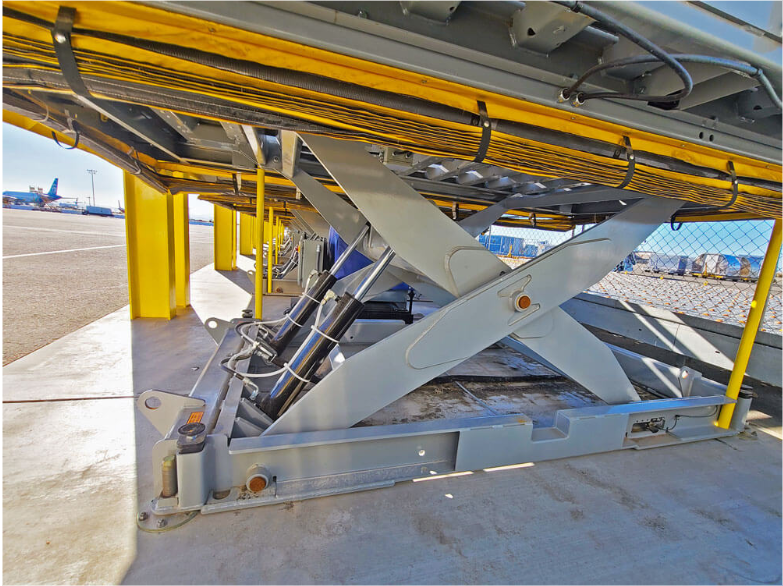
In the modern logistics landscape, the demand for speed and reliability in cargo shipping has never been greater. Whether shipping perishable goods, high-value electronics, or critical medical supplies, businesses and consumers alike expect shipments to arrive promptly and intact. Central to meeting these expectations are advanced air cargo handling systems—integrated technologies and processes designed to streamline the movement of goods through airports and distribution hubs efficiently and securely.
The Role of Air Cargo Handling Systems in Modern Logistics
Air cargo handling systems encompass a broad array of equipment, software, and operational protocols used to manage freight from the moment it arrives at an airport until it is loaded onto an aircraft or delivered to the final destination. These systems integrate functions such as sorting, tracking, loading, and unloading, enabling seamless coordination between ground handlers, airlines, and freight forwarders.
The complexity of air cargo operations means that any delay or error can cause cascading effects, disrupting supply chains and increasing costs. By automating and optimizing these critical tasks, air cargo handling systems reduce human error, accelerate cargo processing, and ensure higher levels of accuracy and accountability.
Speeding Up Cargo Processing with Automation
One of the primary ways air cargo handling systems make shipping faster is through automation. Traditional cargo handling relied heavily on manual labor, which was time-consuming and prone to mistakes. Modern systems employ automated conveyors, robotic sorting, and advanced scanning technologies to move and identify cargo swiftly.
Automated sorting systems can quickly categorize parcels based on destination, weight, or priority level, allowing handlers to route cargo efficiently without bottlenecks. Similarly, barcode and RFID scanning technology embedded in the handling system provide real-time tracking information, ensuring that cargo moves continuously through the supply chain without unnecessary stops or delays.
Moreover, the integration of sophisticated warehouse management software with physical handling equipment allows for just-in-time processing. This reduces dwell times at cargo terminals and ensures shipments are loaded onto flights as soon as possible, minimizing turnaround times for aircraft and increasing the overall capacity of air cargo operations.
Enhancing Reliability Through Precise Tracking and Handling
Reliability in air cargo shipping depends largely on maintaining the integrity and visibility of shipments throughout their journey. Air cargo handling systems play a critical role in this regard by enabling precise tracking and careful handling of freight.
Real-time data collected from cargo scanners and sensors is fed into centralized management platforms, allowing logistics managers to monitor the status and location of each shipment continuously. This transparency helps to quickly identify and resolve issues such as misplaced items or handling damage before they escalate into costly delays or losses.
In addition, specialized equipment within air cargo handling systems is designed to accommodate the diverse nature of shipments—from fragile electronics to temperature-sensitive pharmaceuticals. Controlled environments and tailored handling protocols ensure that sensitive cargo is protected against damage, spoilage, or theft, thus preserving the quality and value of goods.
Facilitating Seamless Coordination and Communication
The efficiency of air cargo shipping also hinges on the smooth coordination between multiple stakeholders, including airlines, ground handlers, customs authorities, and freight forwarders. Advanced air cargo handling systems integrate communication tools that connect these parties, fostering better collaboration and decision-making.
Digital platforms linked to handling systems allow for real-time updates on cargo status, customs clearance, and flight schedules. This level of coordination reduces waiting times, minimizes paperwork, and expedites regulatory inspections. Consequently, shipments can move quickly through customs and onto connecting flights without unnecessary delays.
Conclusion
In an era where global commerce is increasingly time-sensitive, air cargo handling systems have become indispensable in ensuring faster and more reliable cargo shipping. By automating cargo processing, enhancing tracking capabilities, and facilitating seamless communication, these systems help logistics providers meet stringent delivery deadlines while maintaining the highest standards of cargo care.
For businesses relying on air freight, investing in or partnering with operators that utilize cutting-edge air cargo handling systems means gaining a competitive advantage—ensuring shipments arrive not only quickly but also securely and predictably, ultimately supporting smoother global trade and customer satisfaction.